Yellowstone National Park
-
You can't visit Yellowstone without seeing Old Faithful at least once.
It's the park's most famous geyser and erupts on a relatively predictable schedule throughout the day. Check the estimated eruption time when you arrive and use the time in between to explore the surrounding Upper Geyser Basin.
There are boardwalks throughout the area leading past additional geysers, hot springs, and geothermal features, so don't just watch Old Faithful and immediately leave.
-
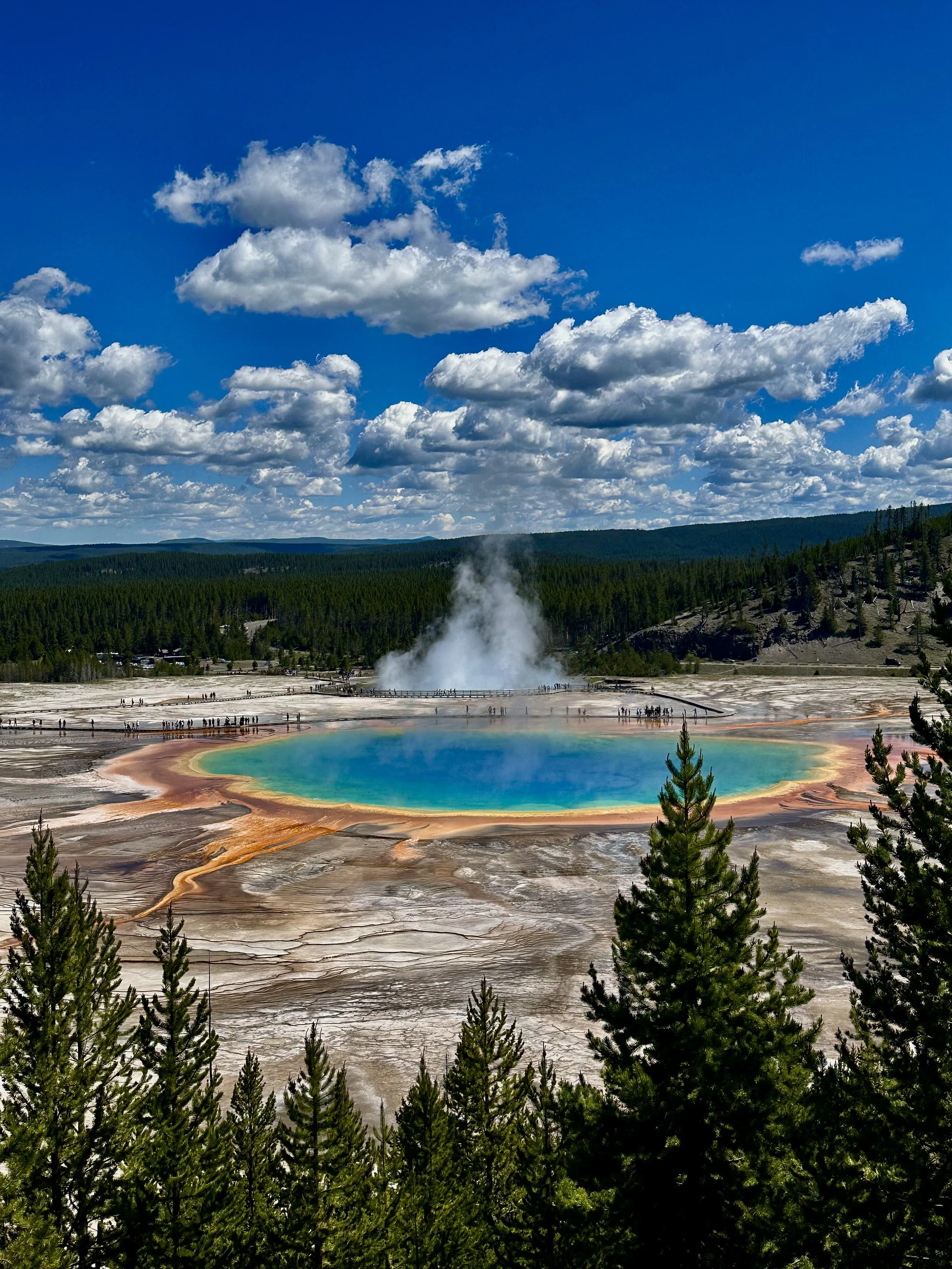
If you've seen photos of Yellowstone, you've probably seen Grand Prismatic Spring.
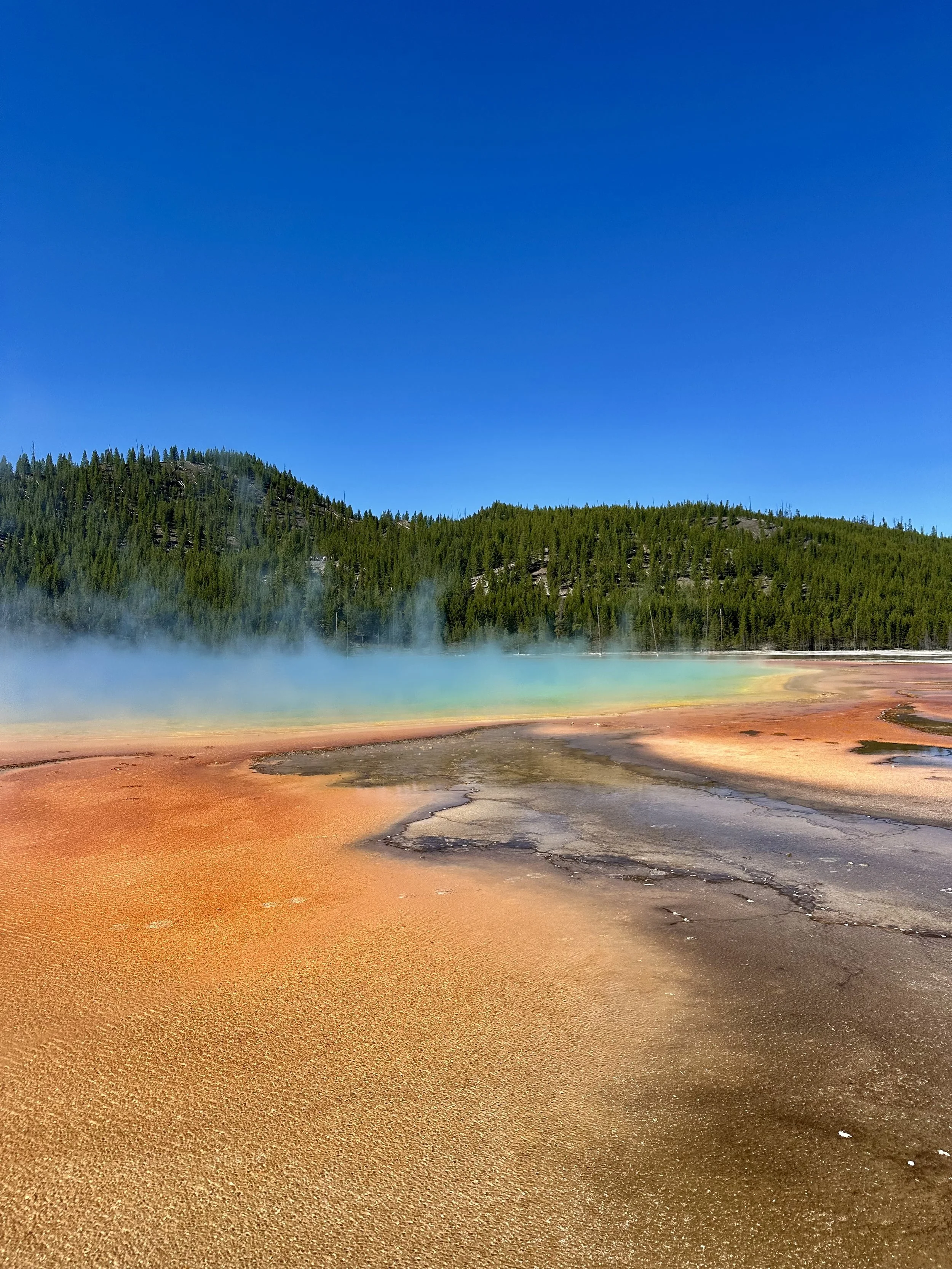
The massive hot spring is known for its incredible blue center surrounded by rings of yellow, orange, and rust-colored microbial mats.
You can see it from the boardwalk at Midway Geyser Basin, but for the view you've probably seen in photos, head to the Grand Prismatic Spring Overlook. The elevated viewpoint gives you a much better perspective of its size and colors.
-
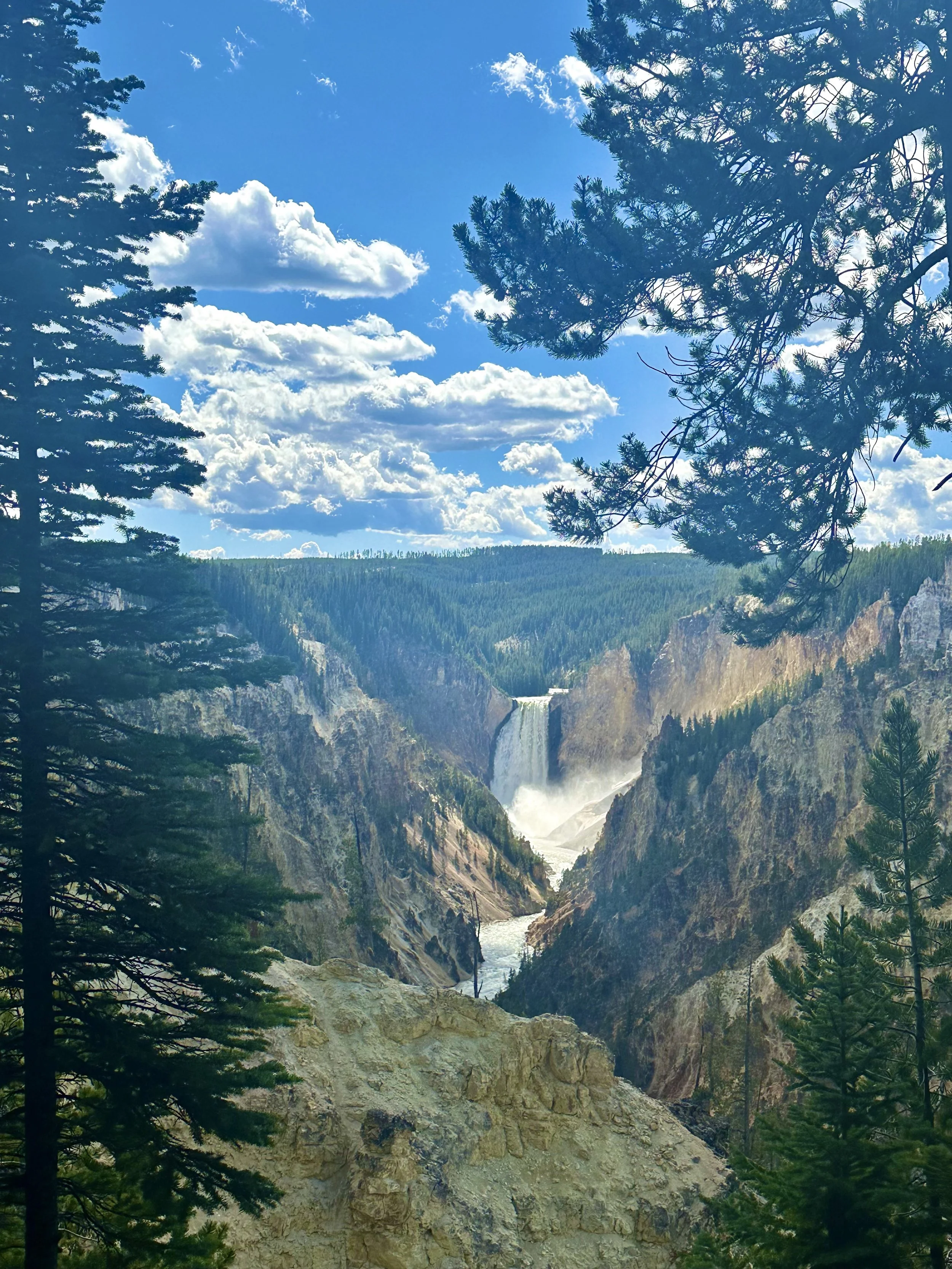
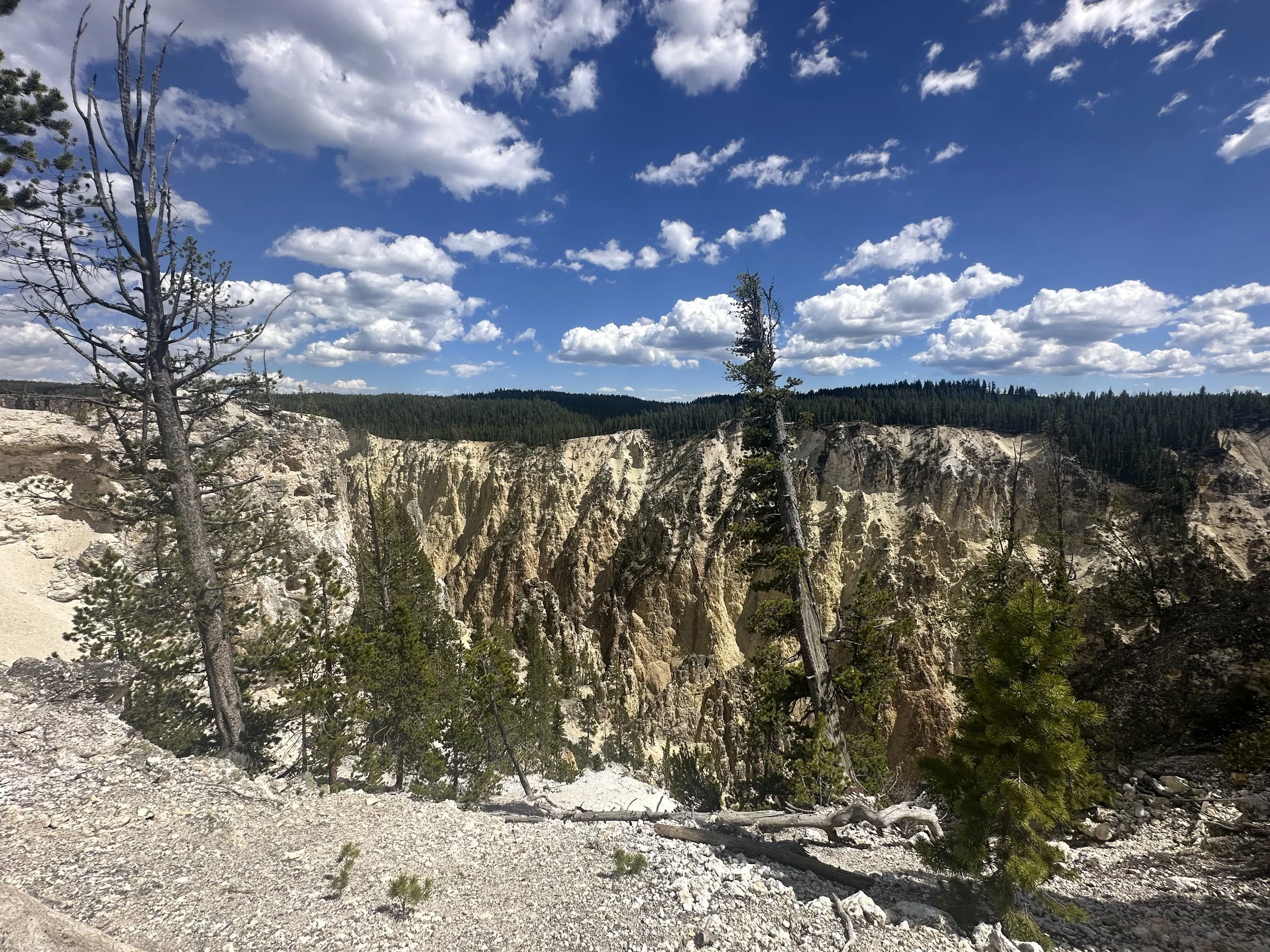
One of my favorite landscapes in the park is the Grand Canyon of the Yellowstone.
The Yellowstone River cuts through a dramatic canyon with colorful rock walls and massive waterfalls, including the iconic Lower Falls.
There are several overlooks along both the North and South Rims, so give yourself time to explore more than one viewpoint. Artist Point is one of the most famous - and for good reason.
-
If seeing wildlife is high on your Yellowstone bucket list, make time for Lamar Valley.
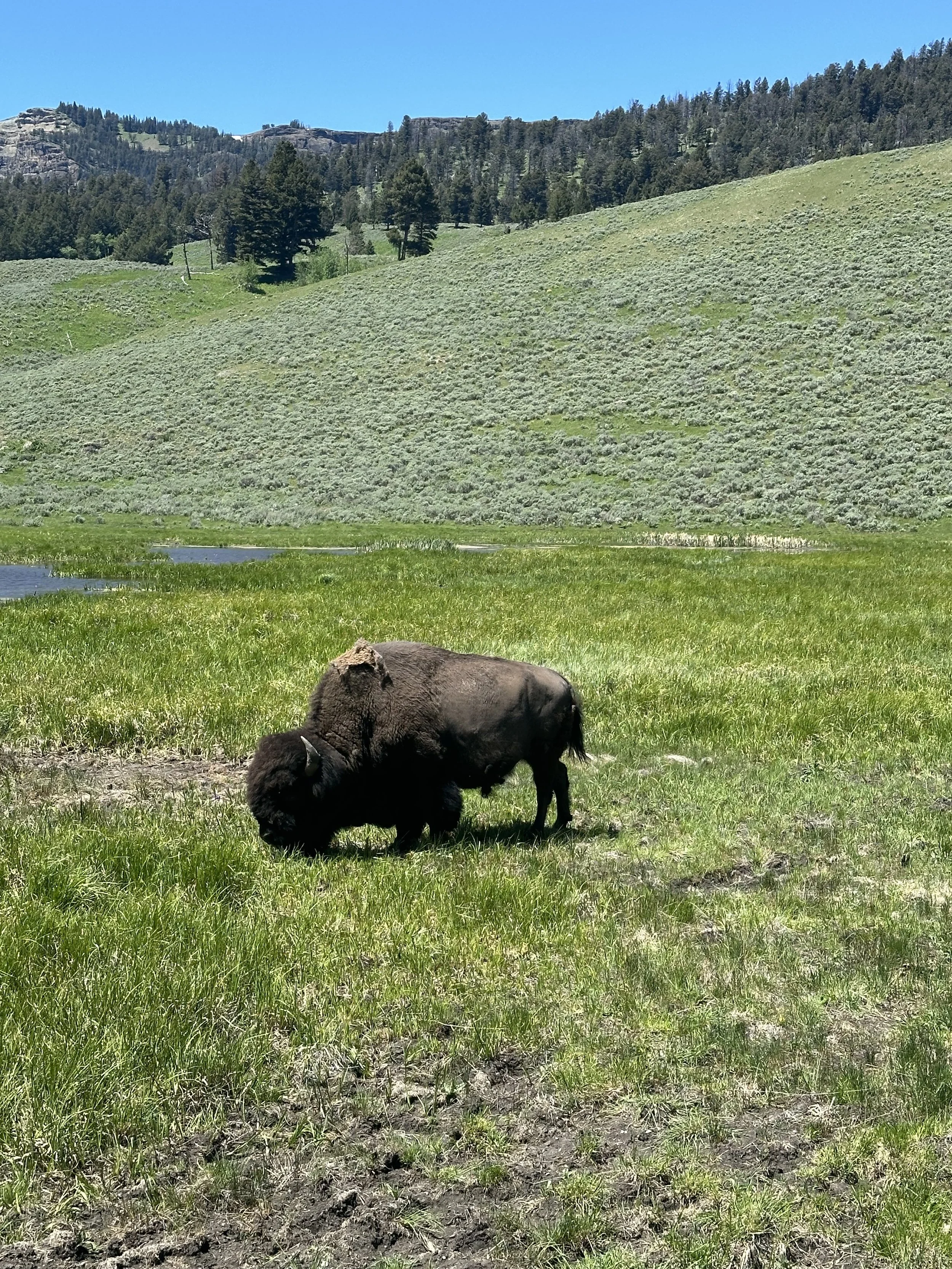
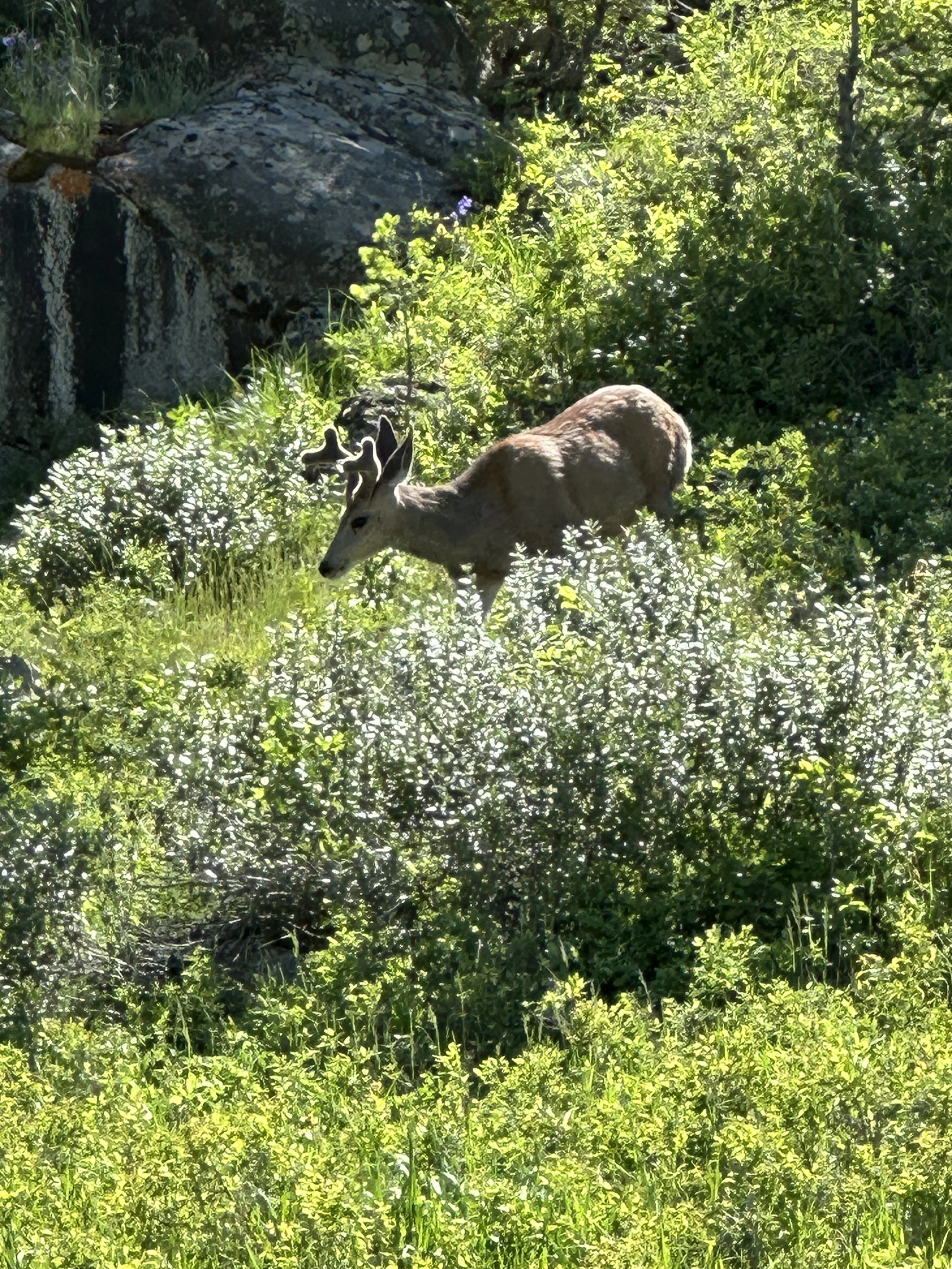
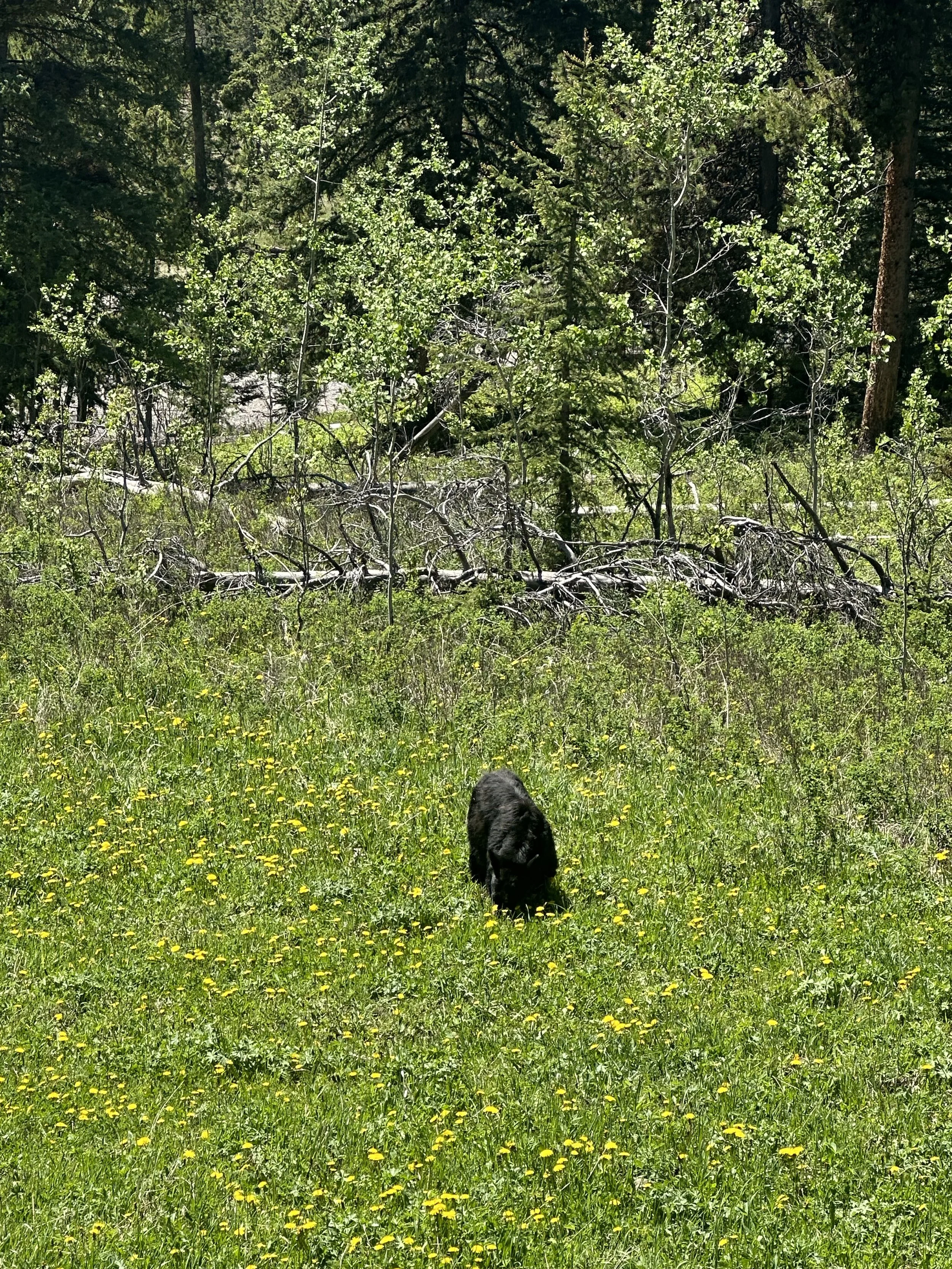
Often called one of the best wildlife-viewing areas in the park, the valley is home to bison, elk, pronghorn, bears, wolves, and other wildlife.
Your best chances of seeing animals are typically around dawn and dusk, so this is one place where waking up early is absolutely worth it.
Bring binoculars if you have them.
-
Another great area for wildlife spotting is Hayden Valley, located between Yellowstone Lake and Canyon Village.
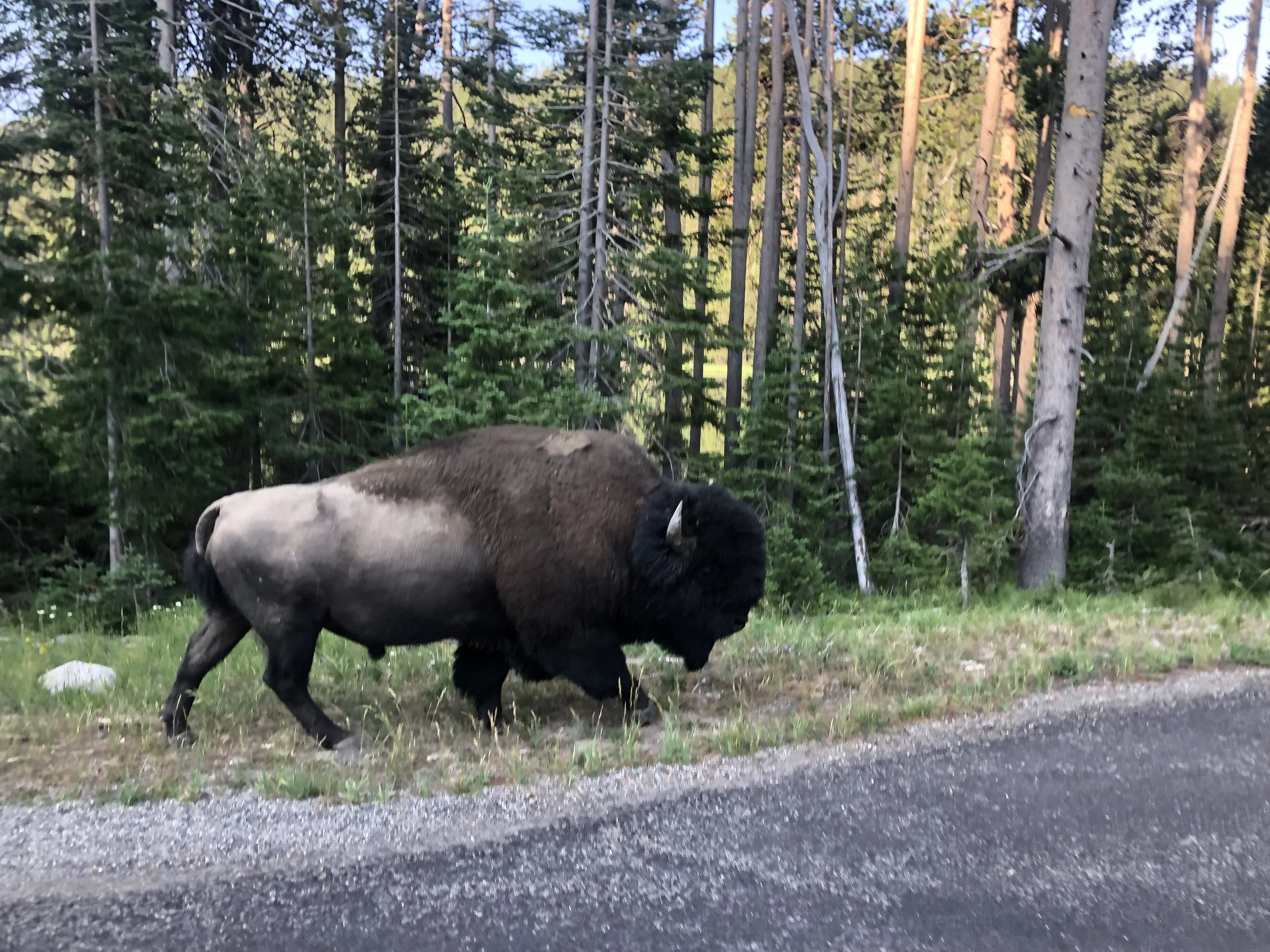
Bison are especially common here, and don't be surprised if traffic comes to a complete stop because a herd decides to cross—or simply stand—in the road.
Build extra time into your itinerary anytime you're driving through Yellowstone. A drive that looks short on the map can take much longer once wildlife enters the equation.
-
Mammoth Hot Springs looks completely different from many of Yellowstone's other geothermal areas.
The terraces have been formed over thousands of years as hot water moved through limestone, creating layers of white, cream, orange, and brown formations.
Walk the boardwalks through the terraces and keep an eye out for elk, which are commonly seen around the Mammoth area.
-
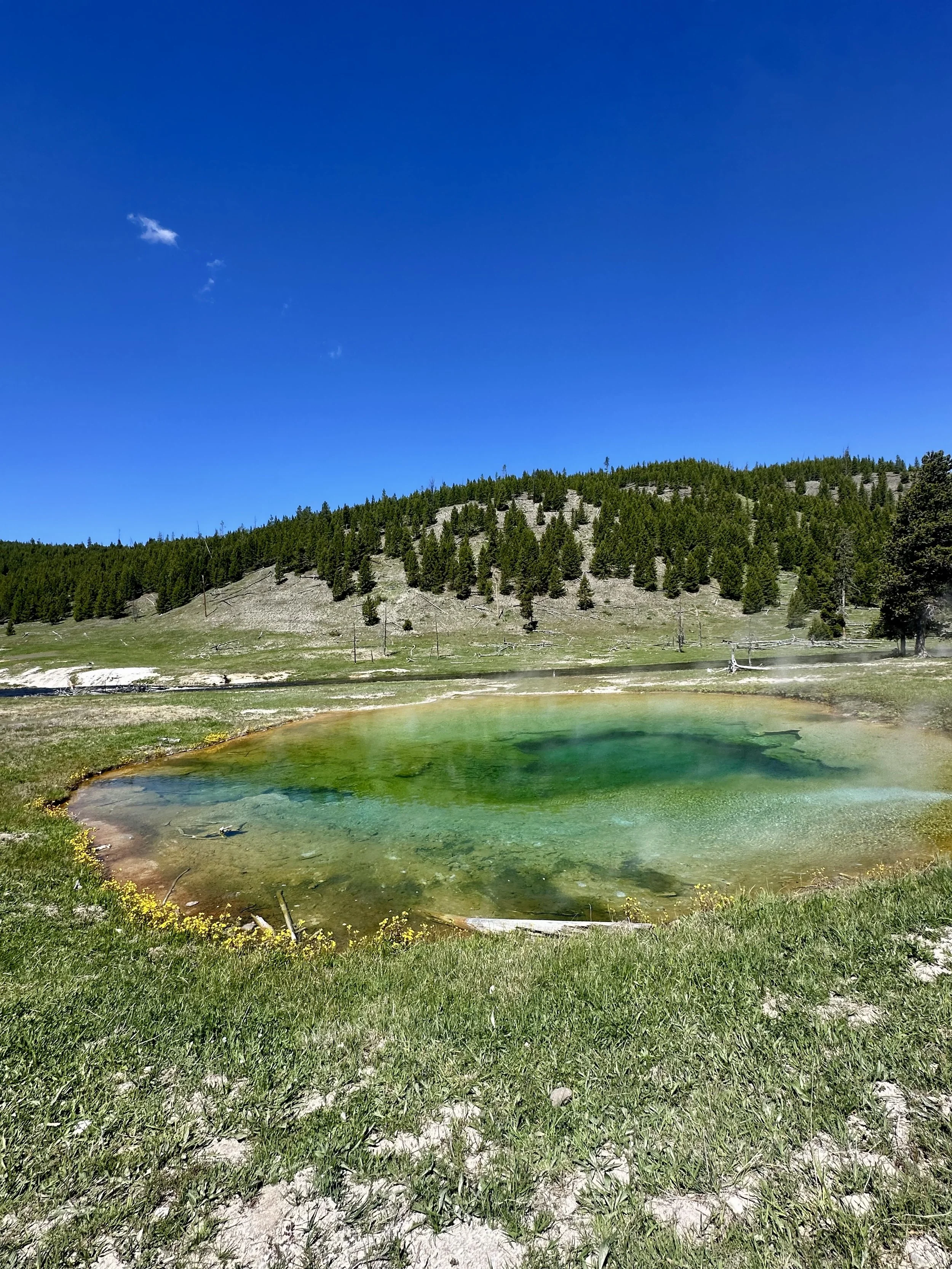
West Thumb combines two of Yellowstone's most recognizable features: geothermal activity and Yellowstone Lake.
A relatively short boardwalk takes you past colorful hot springs, pools, and geysers right along the lakeshore. It's an easy stop to add to your itinerary without committing to a long hike.
Yellowstone National Park Travel Guide:
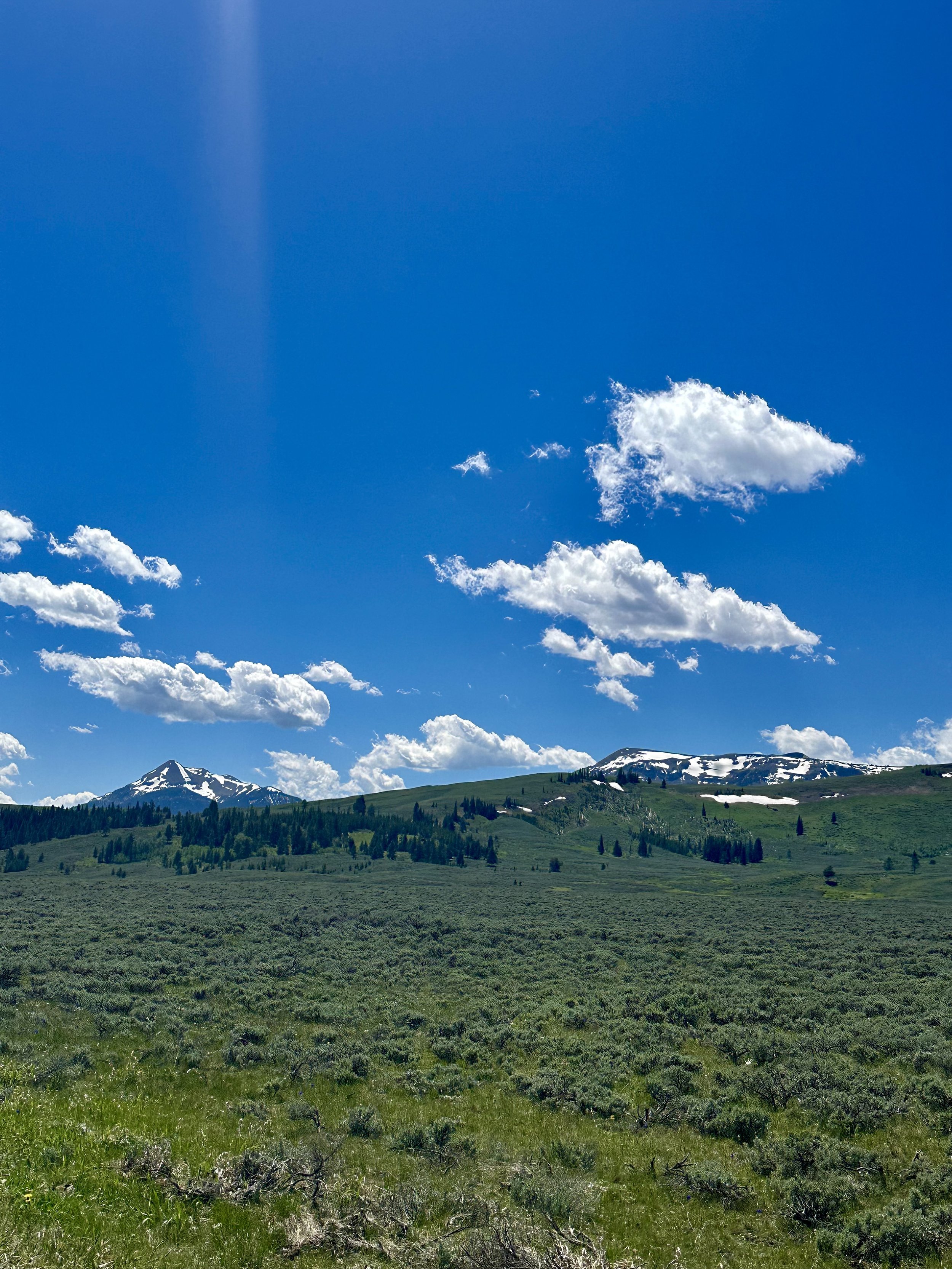
Spanning more than 2 million acres across Wyoming, Montana, and Idaho, Yellowstone National Park is home to everything from geysers and colorful hot springs to waterfalls, mountains, lakes, and some of the best wildlife viewing in the country.
It’s also huge - and that’s probably the biggest thing to know before visiting. You can’t see everything in one day, and driving between attractions often takes much longer than you’d expect. Give yourself a few days, plan your route ahead of time, and leave plenty of room for unexpected wildlife stops along the way.
When to Visit:
Summer brings warmer weather and the easiest access to the park, but it’s also the busiest time of year.
Late spring and early fall are great options if you want fewer crowds and cooler temperatures. Fall is especially beautiful, with changing foliage, crisp mornings, and active wildlife.
Keep in mind that Yellowstone weather can change quickly. Even when daytime temperatures are comfortable, mornings and evenings can be cold—so layers are a must.
Wildlife in Yellowstone:
Wildlife sightings were one of the highlights of Yellowstone for me, but it's important to remember that these are wild animals, not attractions.
Bison may look calm but can move incredibly fast. Bears, wolves, elk, and other animals also require plenty of space.
Always follow National Park Service guidelines for wildlife distances, never approach or feed an animal, and stay on designated trails and boardwalks—especially around geothermal areas.
How Many Days Do You Need?
I would give yourself at least three full days in Yellowstone if you can.
With three days, you can divide the park into different areas rather than spending your entire trip driving back and forth.
If you have four or five days, even better. You'll have more flexibility for hikes, wildlife viewing, scenic stops, and those inevitable moments when a herd of bison completely changes your schedule.
Yellowstone also pairs perfectly with Grand Teton National Park and Jackson Hole, making it easy to turn your visit into a longer Wyoming road trip.
Located by Lauren Tips:
Carry bear spray when hiking. Know how to use it before hitting the trail and keep it somewhere immediately accessible.
Give wildlife plenty of space. Never approach an animal for a photo. Follow the National Park Service's current wildlife-distance guidelines.
Don't underestimate driving times. Yellowstone is massive, and traffic, construction, wildlife, and scenic stops can make drives much longer than Google Maps suggests.
Fill up when you have the opportunity. Don't wait until you're almost empty to start thinking about gas as its very limited inside the park.
Download offline maps before entering the park. Cell service is limited and unreliable throughout much of Yellowstone.
Download your hikes on AllTrails ahead of time. Don't rely on having service at the trailhead.
Bring layers. Temperatures can change significantly throughout the day, especially if you're starting early for wildlife viewing.
Start early. You'll avoid some of the crowds and have a better chance of spotting wildlife.
Bring binoculars. You'll appreciate having them in Lamar and Hayden Valleys, especially when animals are far from the road.
Stay on the boardwalks. Yellowstone's geothermal areas can be extremely dangerous. Never step off designated paths, even if the ground looks solid.
Book accommodations early. Lodging inside and around Yellowstone can fill months in advance during popular travel periods.
Keep snacks and water in the car. Distances between stops are long, and having food with you gives you much more flexibility with your day.